Regions of Massachusetts
Each region tells a different chapter of the Commonwealth's story. More regions coming soon — including Plymouth, Boston, Salem, the Berkshires, and Martha's Vineyard.
New Bedford — The Whaling City
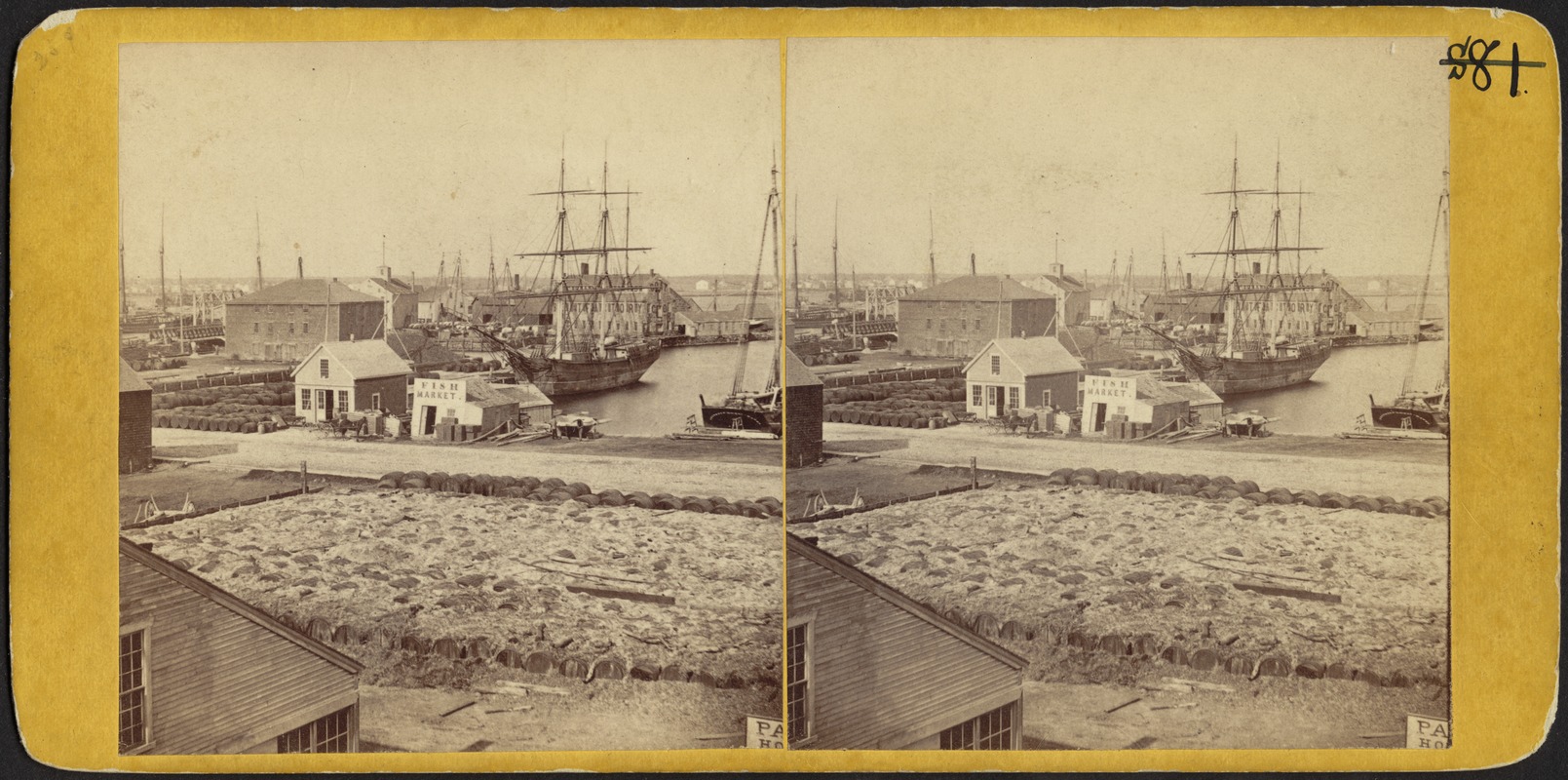
Wharves on Fish Island, New Bedford harbor — Boston Public Library, Digital Commonwealth
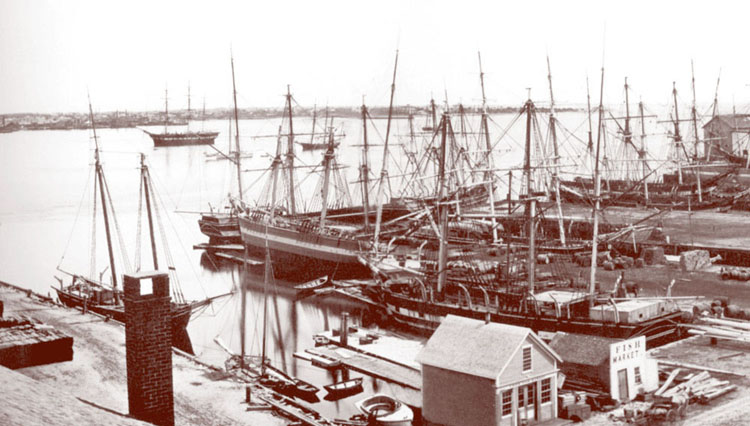
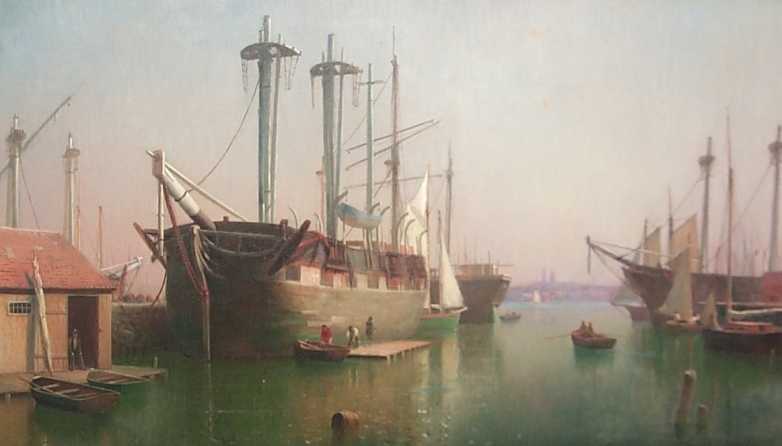
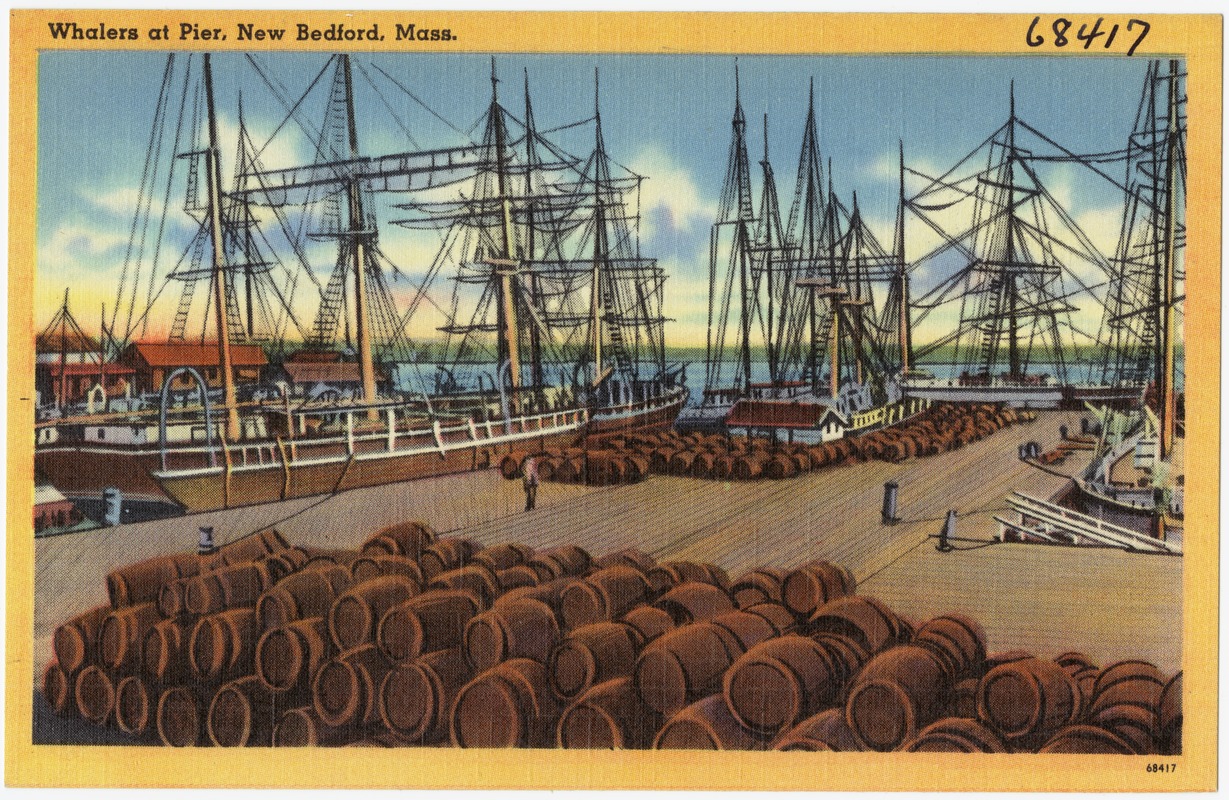
Incorporated in 1787, New Bedford rose from a Quaker whaling village to become the richest city per capita in North America. At its 1857 peak, the city's fleet held more whaling ships than all other American ports combined.
The wealth built grand homes on County Street, funded abolitionist causes, and drew Herman Melville — who shipped out of New Bedford and set Moby-Dick's opening chapters here.
When petroleum replaced whale oil, the city reinvented itself around textiles and then fishing — today the highest-value fishing port in America.
Fall River — Spindle City
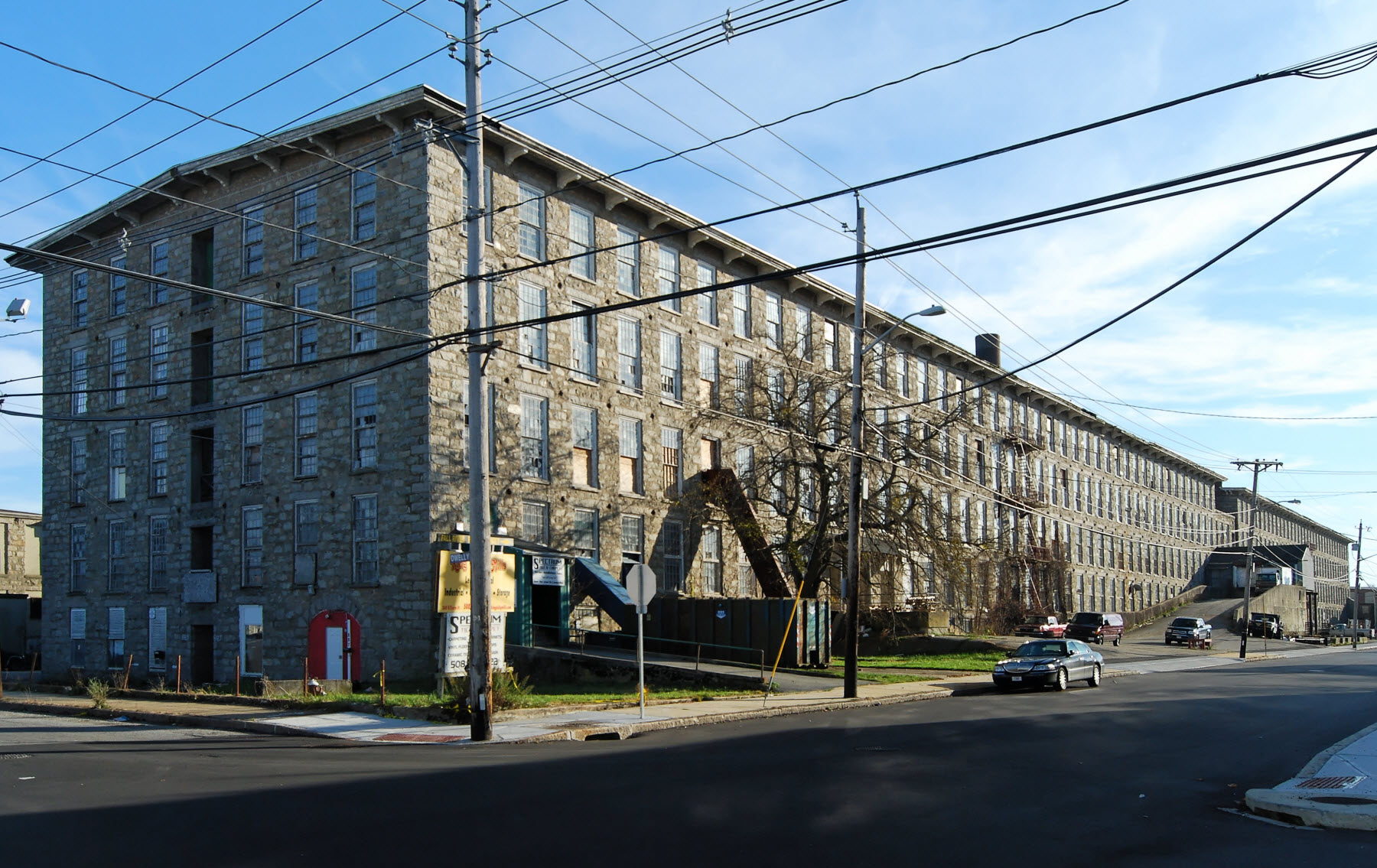
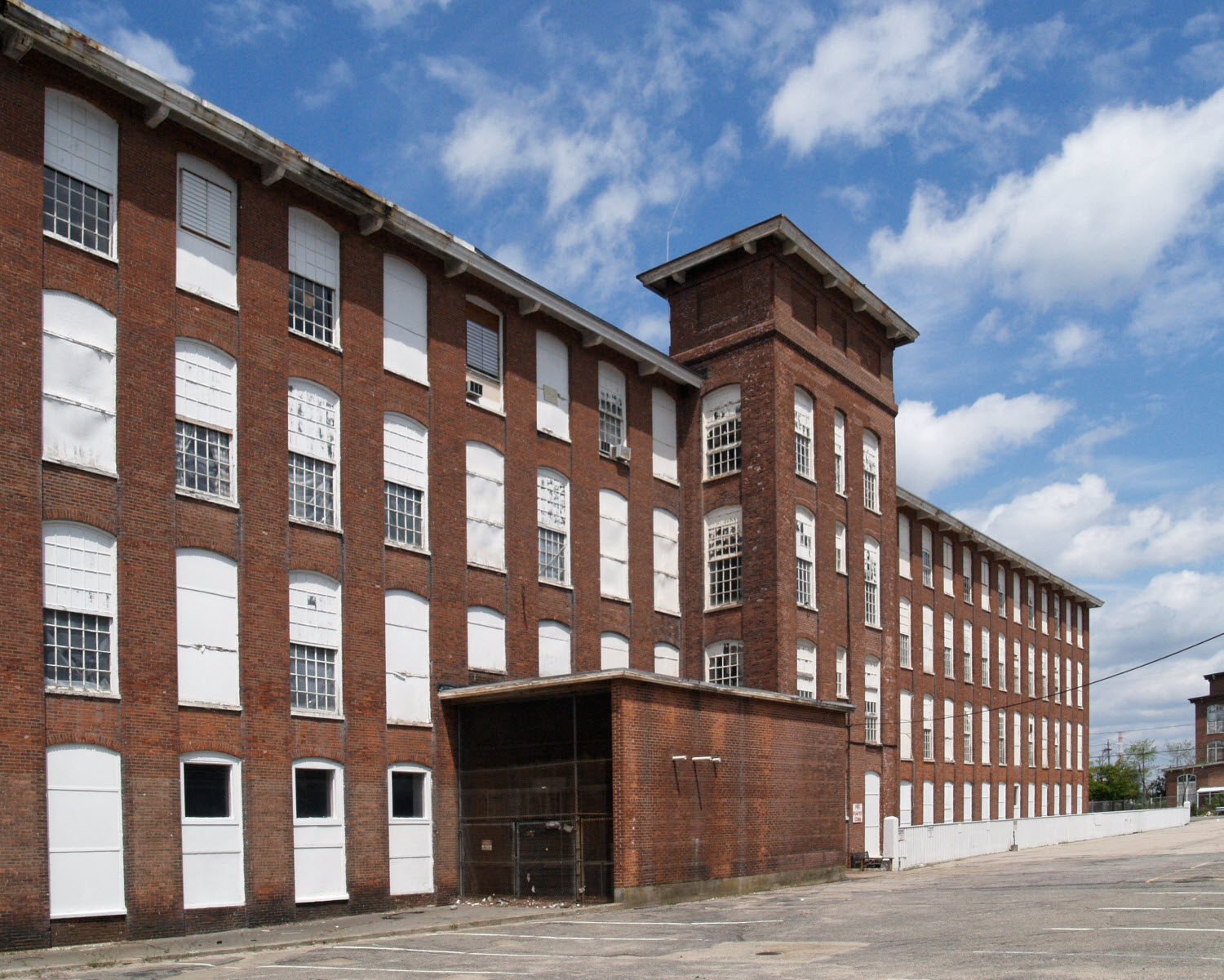
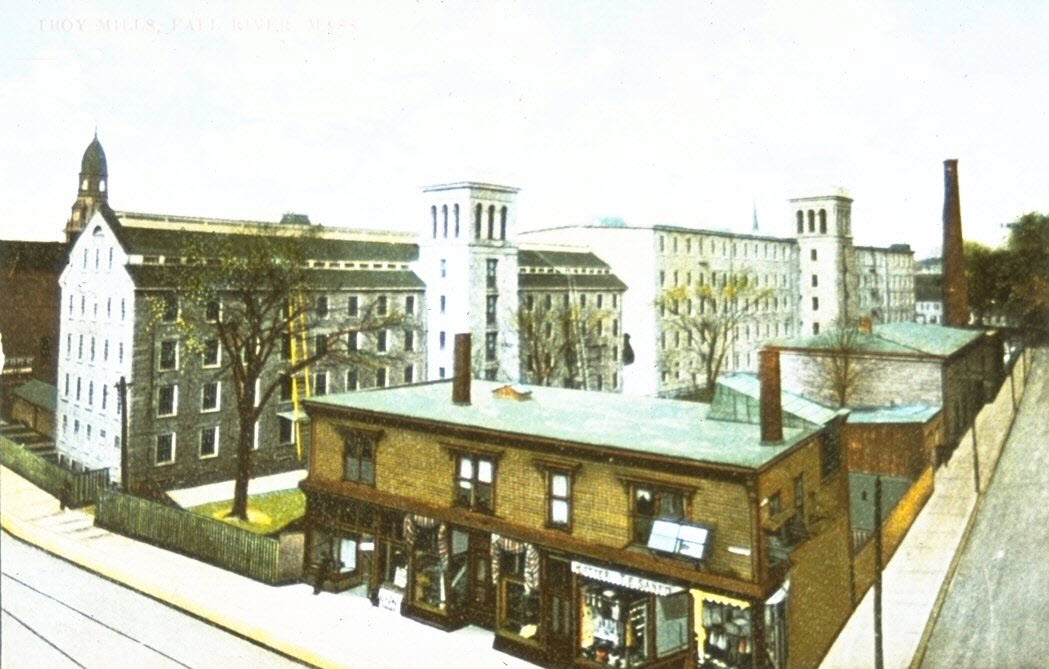
Built along the Quequechan River's eight waterfalls, Fall River harnessed falling water to power over 100 textile mills. By the 1870s, the city produced more printed cloth than any place in the United States.
The mills drew waves of immigrants — Irish, French-Canadian, Portuguese, Polish — who built the triple-decker neighborhoods that still define the city.
In 1916, photographer Lewis Hine documented child "spare hands" working in the mills, images that helped drive national child labor reform.
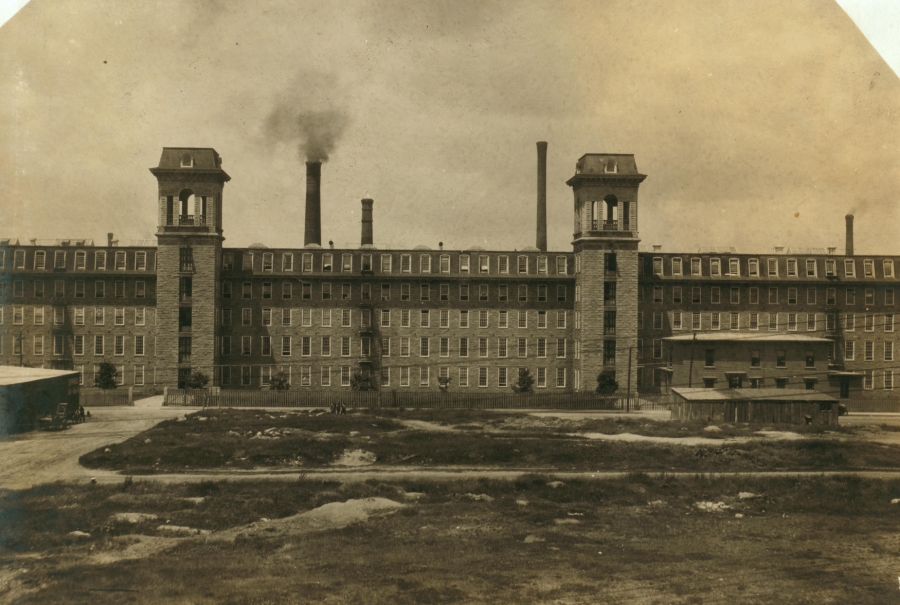
Merchants Mill, June 1916 — photographed by Lewis Hine (Library of Congress)
Cape Cod — The Arm of Massachusetts
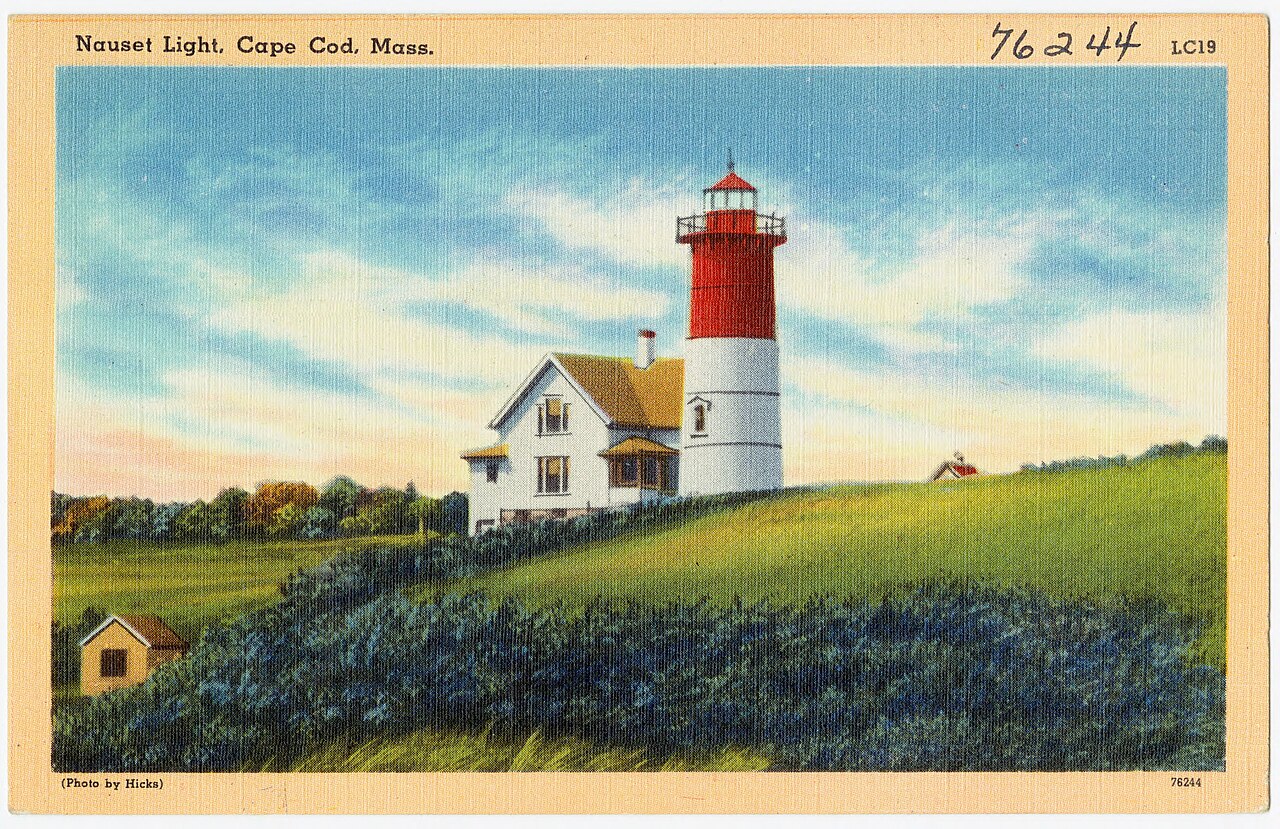
Nauset Light, Eastham — built 1877, one of Cape Cod's iconic beacons
Thoreau called it "the bare and bended arm of Massachusetts." For four centuries, Cape Cod's shifting sands and treacherous shoals have shaped maritime history — from early European exploration to the lifesaving stations that rescued wrecked sailors.
The Cape's lighthouses — Nauset, Highland, Chatham, Nobska — guided countless vessels through some of the most dangerous waters on the Atlantic coast.